
Does Organic Food Really Matter For Health?
Organic food has become a symbol of conscious living – but does it genuinely influence long-term health, or is it primarily a lifestyle preference? As interest in food quality, environmental responsibility and personal wellbeing continues to grow, many people question whether choosing organic products makes a meaningful difference. Understanding what organic food represents, and how it may affect the body over time, helps place this choice within a balanced, modern lifestyle.
What Does Organic Food Mean?
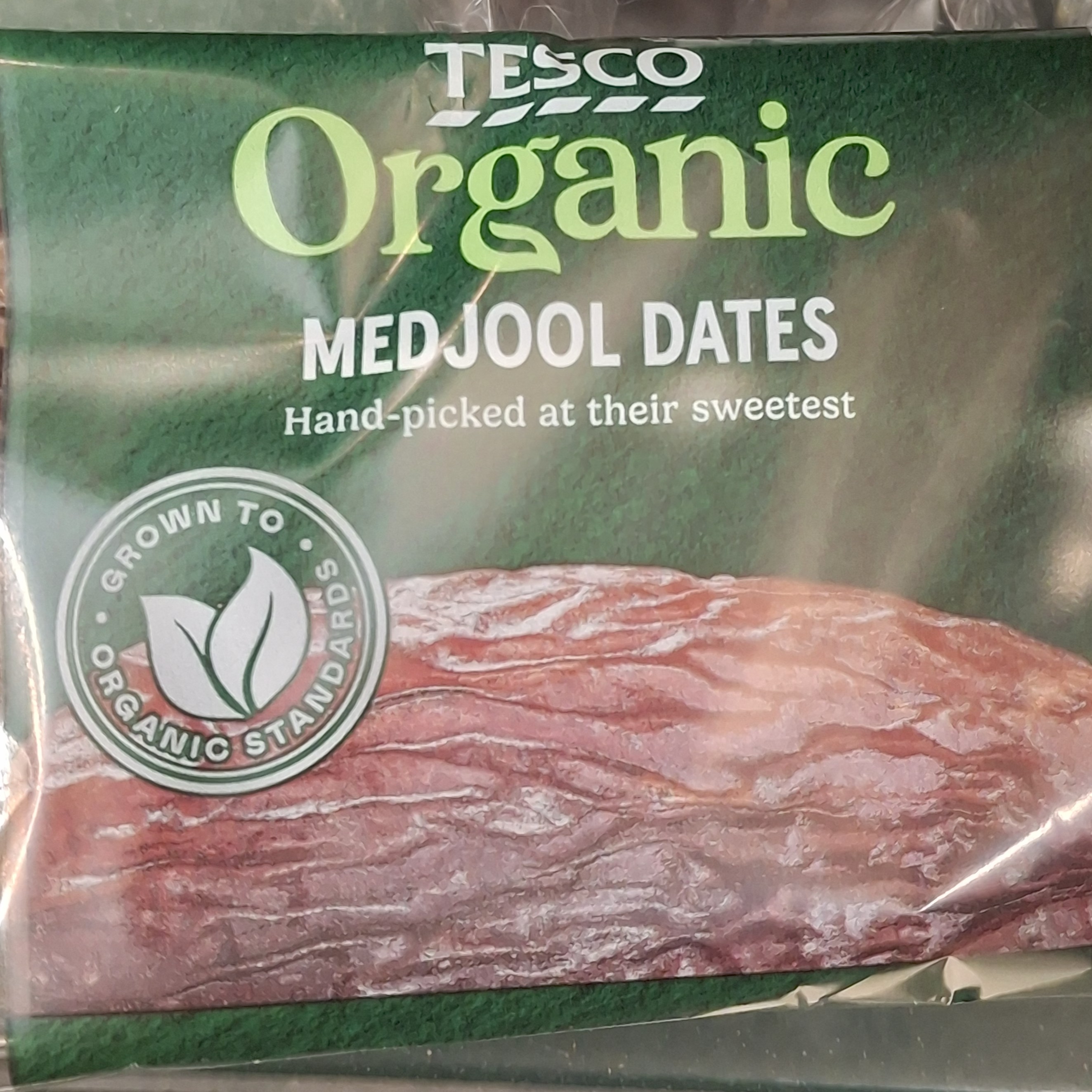
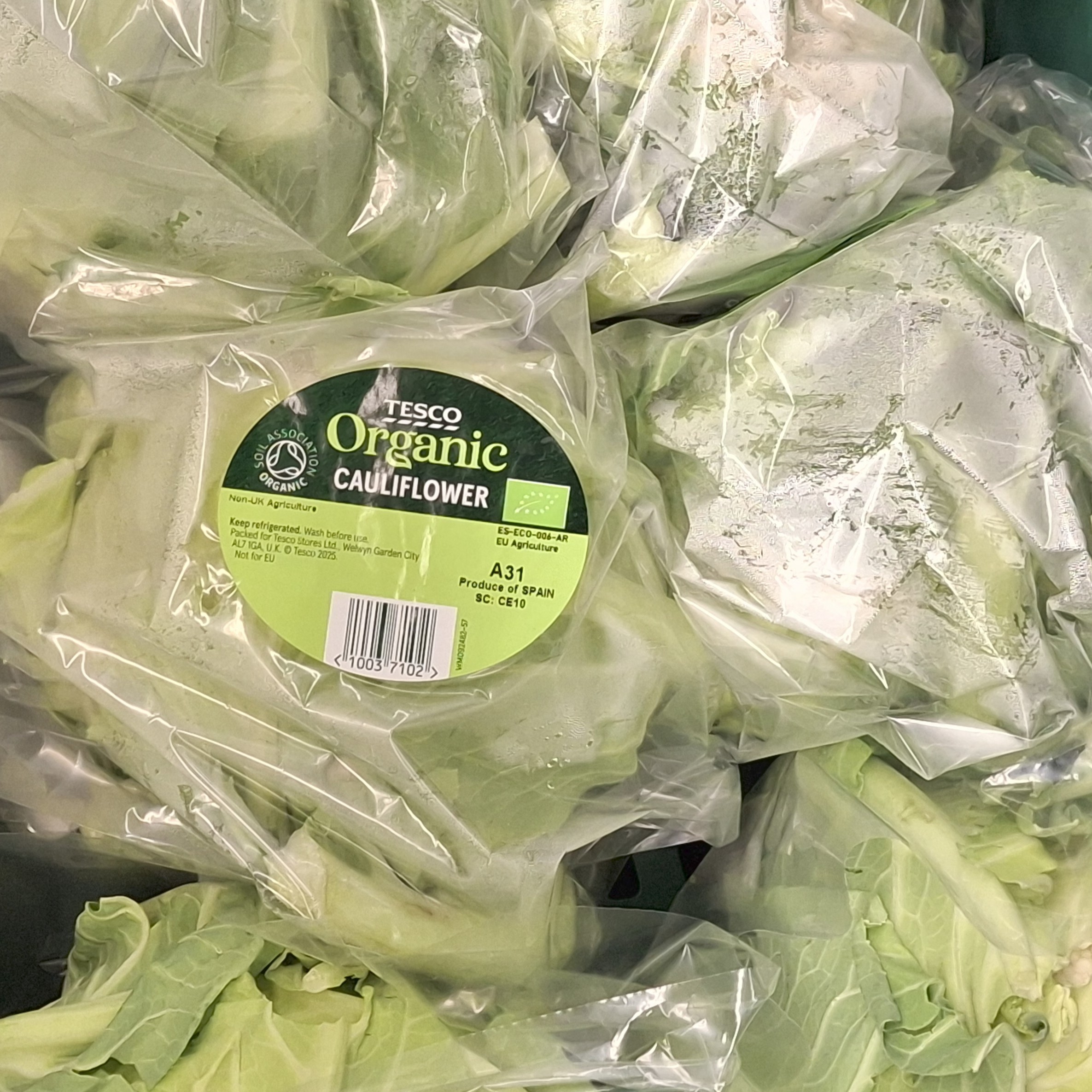
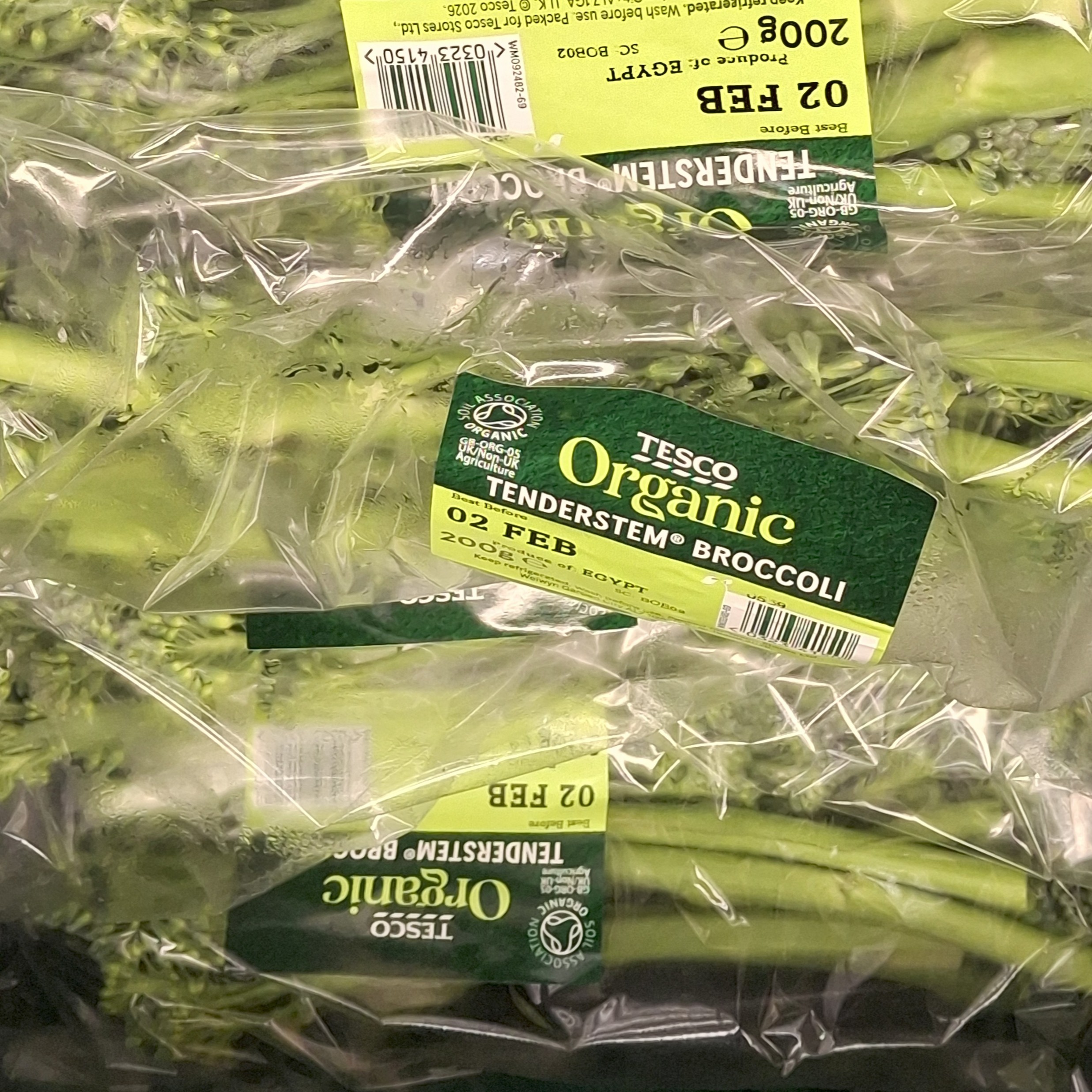
Organic food refers to products grown and produced using farming methods that avoid synthetic pesticides, artificial fertilisers, genetically modified organisms and irradiation. Instead, organic agriculture relies on natural processes that support soil health, biodiversity and higher standards of animal welfare.
Organic production is regulated through certification systems that define farming standards and labelling requirements. These systems are designed to ensure consistency, transparency and traceability across the supply chain.
While organic food is often associated with lower pesticide residues and environmental benefits, its direct impact on health – particularly long-term health – remains an area of ongoing scientific investigation.
Findings From European Cohort Studies
One of the largest observational studies conducted in Europe, involving nearly 70,000 participants, found that people who most frequently consumed organic food had a significantly lower overall risk of developing cancer.
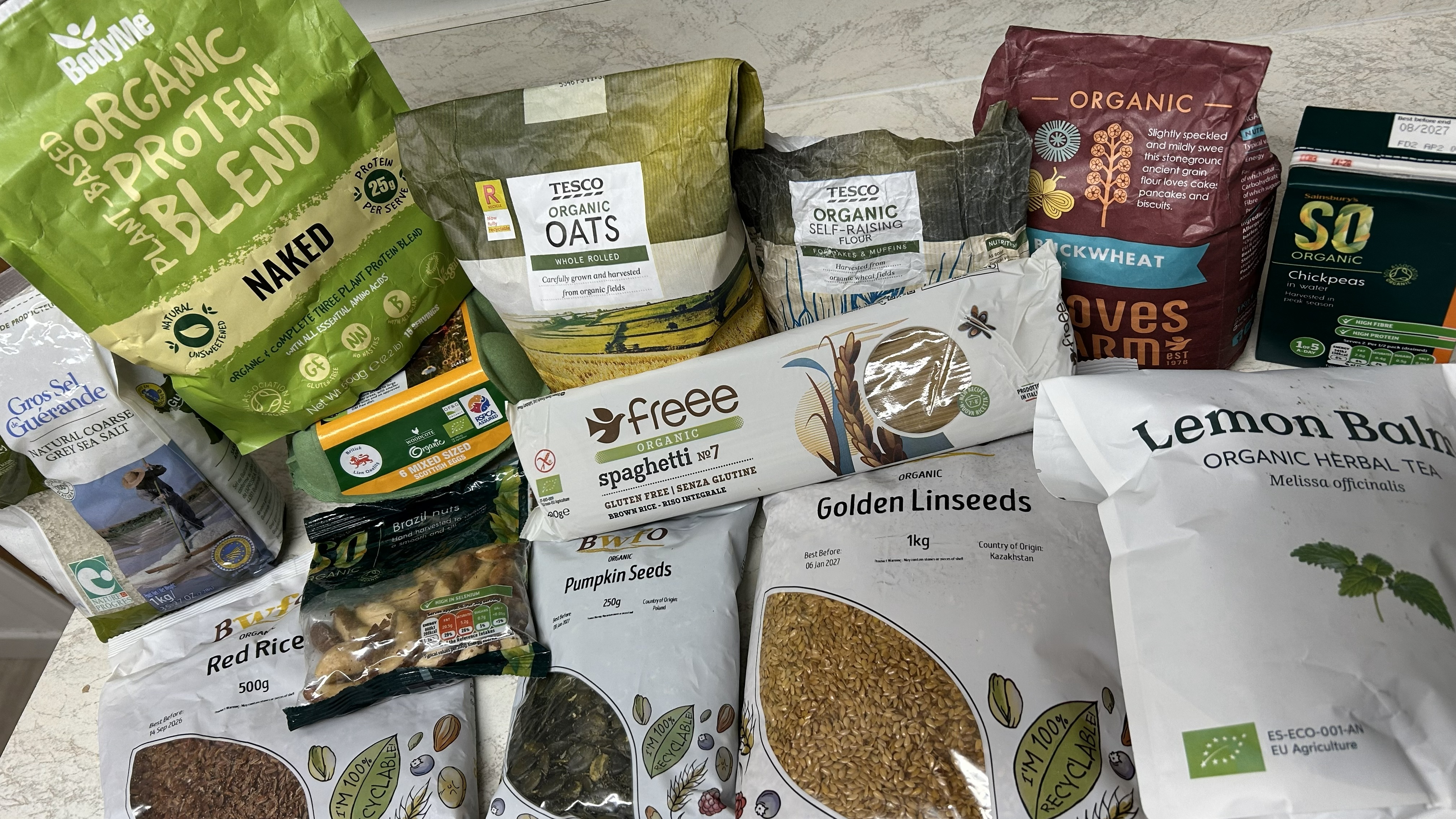
The analysis covered a broad range of products — not only fruit and vegetables, but also grains, legumes, dairy products, eggs, bread, coffee, tea, wine and supplements.
The strongest associations were observed for postmenopausal breast cancer and lymphomas. While the study does not establish direct causation, its scale and methodological rigour indicate a meaningful relationship between frequent organic food consumption and favourable health outcomes.
In the case of dairy products, particular attention is drawn to the tendency of certain pesticide residues to accumulate in fat. For individuals who regularly consume dairy, this characteristic may make organic options especially relevant.
Reducing Pesticide Exposure in Everyday Life
Practical tools such as the “Dirty Dozen” and “Clean Fifteen” lists are commonly used to identify foods that tend to contain higher or lower levels of pesticide residues. These tools can help prioritise organic choices when full conversion to organic food is not possible.
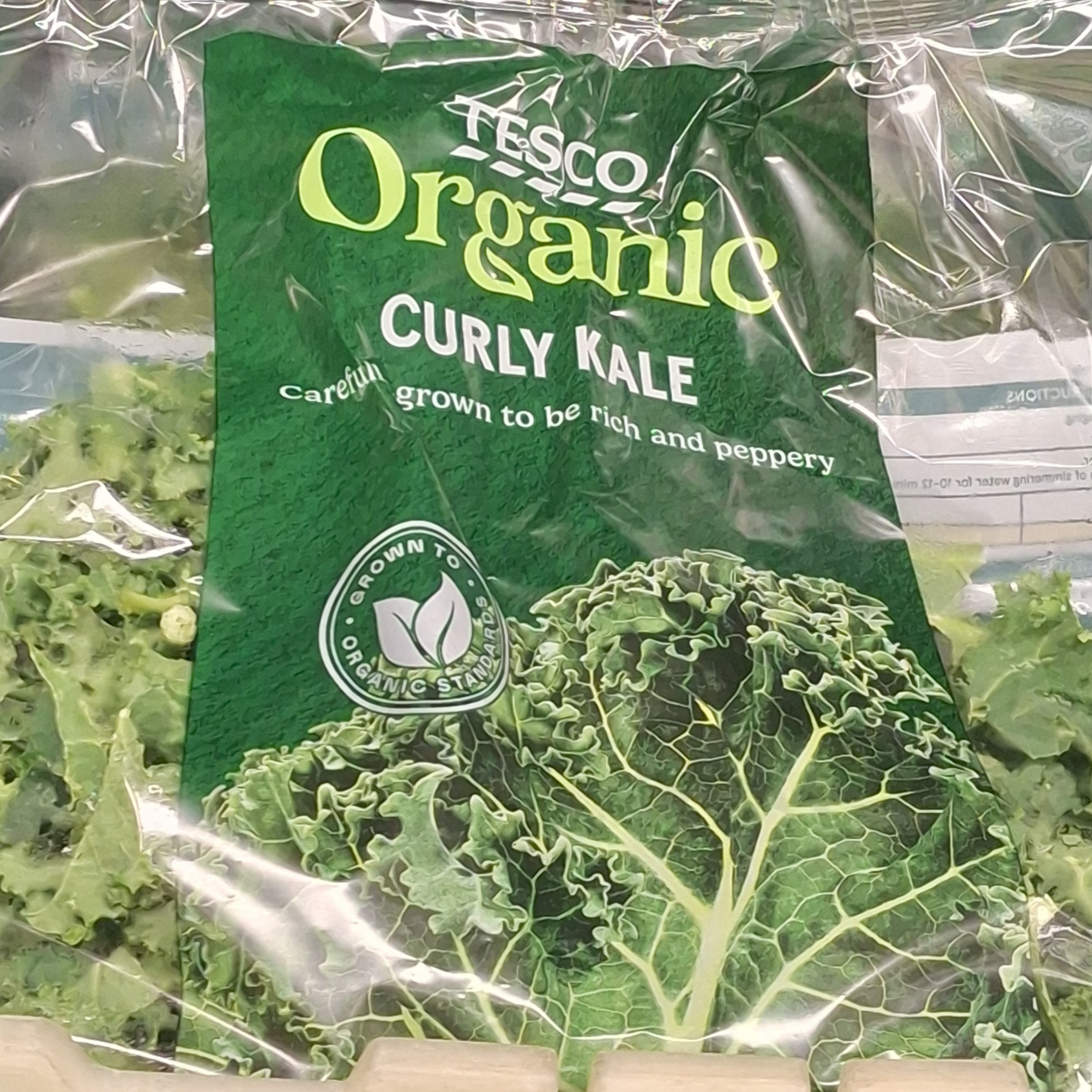
Products commonly referred to as the “Dirty Dozen” are known to contain the highest levels of pesticide residues. These include strawberries, spinach, kale, peaches, pears, nectarines, apples, grapes, peppers, cherries, blueberries and green beans.
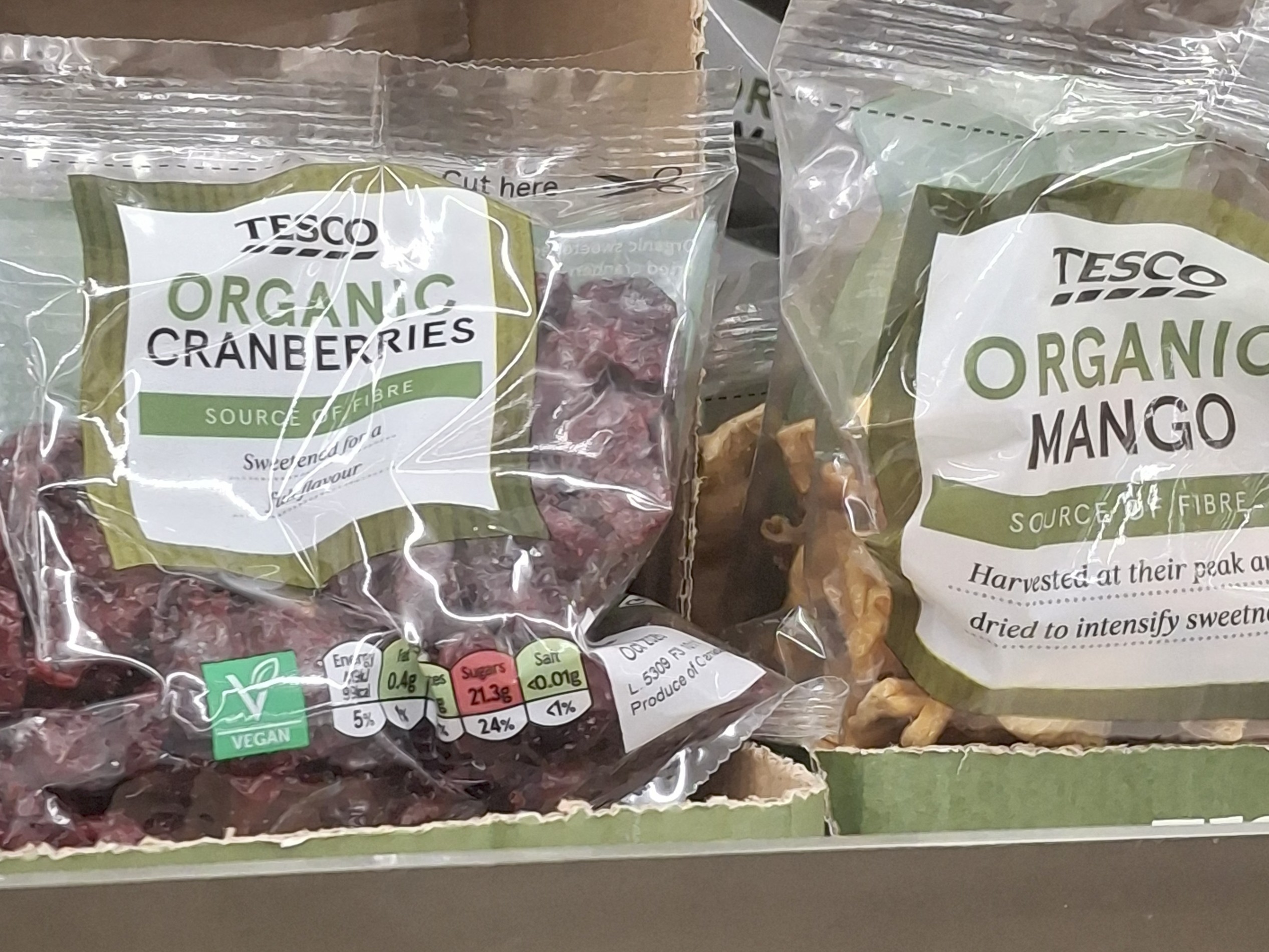
By contrast, the “Clean Fifteen” – foods that typically contain much lower pesticide residues – include avocados, sweet corn, pineapple, onions, papaya, peas, asparagus, honeydew melon, kiwi, cabbage, mushrooms, mangoes, watermelon, sweet potatoes and carrots.
However, choosing organic versions of these products will always be more beneficial. You don’t really know if and how urgent it is.
Readers interested in pesticide-exposure lists, including the EWG Dirty Dozen and Clean Fifteen and the PAN UK Dirty Dozen, can find a separate article in the Lifestyle section: “Food Lists and Pesticide Exposure”
A second European study further supports this approach, showing that individuals whose diets consisted of at least 50% organic foods had substantially lower levels of pesticide metabolites in their bodies compared with those consuming predominantly conventional products. This finding points to measurable biological differences linked to dietary choices.
Sources:
PubMed ID 30422212
https://pubmed.ncbi.nlm.nih.gov/30422212/
This page presents the article describing a study from the French NutriNet-Santé cohort that examined the association between organic food consumption and the risk of developing cancer.
PubMed ID 30185942
https://pubmed.ncbi.nlm.nih.gov/30185942/
This page contains the abstract of a study comparing urinary pesticide metabolite concentrations in individuals with low versus high consumption of organic foods within the same cohort.
 my59
my59 
Leave a comment