

Microplastics – The New Sugar
Sugar is everywhere present, addictive, slowly undermining our health, and has been ignored for years. However, is it so obvious to us that microplastics, like sugar, are becoming a quiet companion of everyday life? It’s easy to miss, yet its presence is ubiquitous.
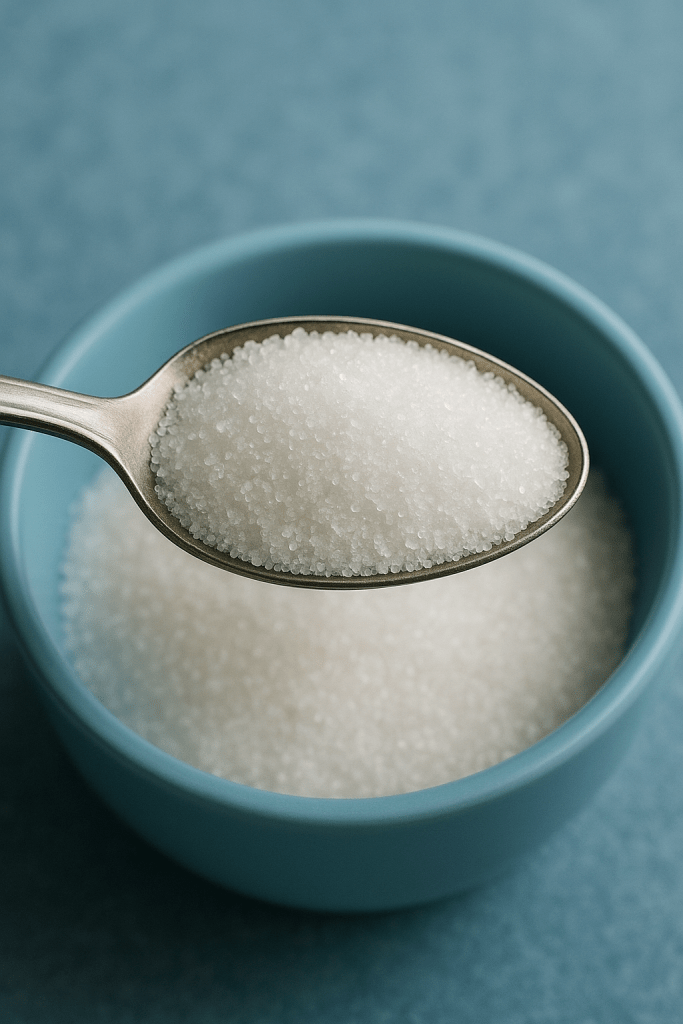
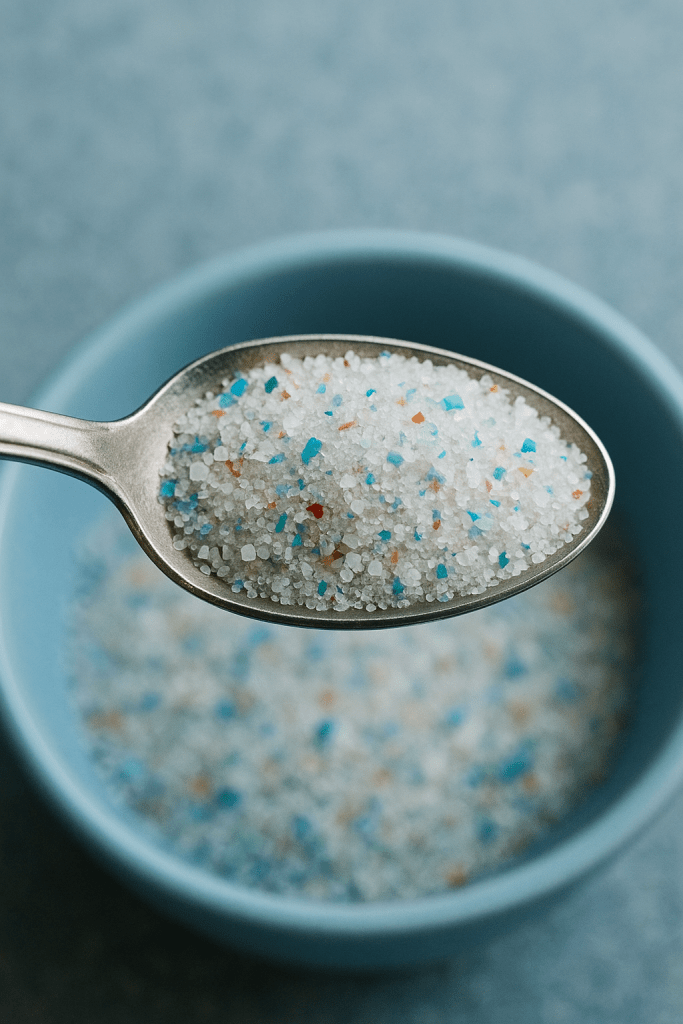
Tiny plastic particles already infiltrate everything: the air we breathe, the water we drink, the food we eat, and even our own bodies.
They are found in fish, sea salt, beer, bottled water, and even in fruits and vegetables. Increasing research suggests that microplastics may affect the endocrine, immune, and cardiovascular systems — although the full extent of their impact remains unknown.
As with sugar, the real problem is the system that produces it: mass production, overconsumption, and a lack of effective recycling. Microplastics are a symptom of a disposable civilisation — and a warning that invisible does not mean harmless.
From what we wear to what we breathe
In fashion, microplastics are an uncomfortable truth. Every time we wash synthetic fabrics like polyester or nylon, thousands of plastic microfibres are released into the water system. These fibres are too small to be filtered out and end up in the sea — invisible threads connecting our wardrobes to the ocean floor.
Sustainable fashion is not only about choosing organic cotton or recycled materials; it is about understanding the full cycle of what we wear. Choosing better fabrics, washing less frequently, using filters in our washing machines, or supporting brands that take responsibility for their materials — these small, conscious acts ripple outward.
Home is not a plastic-free zone
We often think of plastic pollution as something happening out there — in oceans or on beaches far away. But the truth is, our homes are filled with microplastics. They float in the air, settle in dust, and enter our bodies without notice. From synthetic carpets to cleaning products and food packaging, we live surrounded by invisible particles of our own making.
The Green Home approach reminds us that sustainability begins in small domestic choices. Replacing plastic storage with glass or stainless steel, choosing natural fibres, or even just opening windows more often — these acts are not about perfection but awareness.
The system that feeds on convenience
Just as the food industry profits from our addiction to sugar, the modern world runs on convenience – and convenience is often made of plastic. Fast fashion, fast food, fast everything. It’s an economy designed to be quick, cheap, and disposable.
Microplastics are a reflection of our “culture” of excess. Every synthetic thread, bottle, and packaging tells a story of speed over care, quantity over quality, superficiality over substance.
Conscious consumption as quiet resistance
Microplastics are not only an environmental issue; they are a lifestyle issue. Just like sustainability is not a trend but a lifestyle – a way of living with awareness: connecting health, environment, and everyday choices.
Whether it is choosing natural fabrics, saying no to single-use plastics, or supporting brands that value circularity, we are all part of the same ecosystem.
Microplastics (<5 mm) pollution is a growing problem affecting coastal communities, marine ecosystems, aquatic life, and human health. The widespread occurrence of marine microplastics, and the need to curb its threats, require expansive, and continuous monitoring.
The NOAA NCEI marine microplastics database
Published: 20 October 2023 in www.nature.com
Read More
Plastics have become deeply integrated into human society and the economy […] Plastic-associated chemicals enter the human body, and there are also reports of micro- and nanoplastics (MNPs) in human organs. […] Plastics are composed of a polymer backbone compounded with chemical additives such as plasticizers, flame retardants, stabilizers and colorants, as well as a complex and poorly understood array of non-intentionally added substances. Most of these chemicals are not covalently bound to the polymer matrix and hence are able to leach from plastics, including during intended use of the product and from MNPs. Exposure to plastic-associated chemicals occurs throughout an individual’s lifespan, starting before conception, and these chemicals are consistently detected in human biosamples during pregnancy, at birth, in children and in adults. A recent report revealed that there are over 16,000 plastic-associated chemicals, of which 6,300 have high exposure potential, including more than 1,500 that are known to leach from plastics. Although extensive data exist on the negative health impacts of certain plastic-associated chemicals and chemical groups, a staggering 66% of plastic-associated chemicals do not have available hazard data, and of those that do, more than 4,200 (around 75%) are already known to be hazardous to human and/or environmental health. For example, phthalates and bisphenol A are known endocrine disruptors and have been associated with multiple health impacts at current levels of exposure in the general population, including type 2 diabetes in adults and developmental changes in newborns
How do plastics, including microplastics and plastic-associated chemicals, affect human health?
Published: 8 October 2024 in www.nature.com
Read More
 my59
my59 
Leave a comment