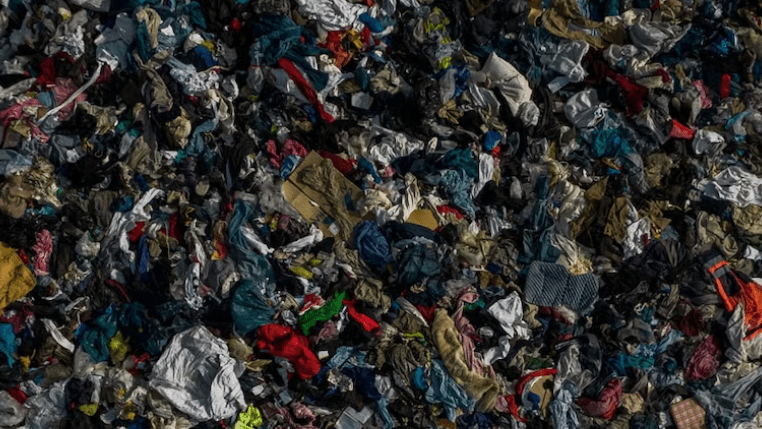
Overproduction in The Fashion Industry
“The fashion industry is one of the largest contributors to the climate and ecological crisis. It is nature-intensive, reliant on fossil fuels, polluting throughout its value chain and wasteful to the extreme. It is also predicated on a culture of overproduction and consumption, and facilitated by an underpaid workforce facing discrimination, unsafe working conditions and harassment.”
— Sustainable Fashion: Communication Strategy 2021 – 2024
“Too much clothing. Not enough justice.”
Speak Volumes is an initiative by The Or Foundation that focuses on the promotion of transparency and accountability in the fashion industry – specifically regarding clothing production volume.
To address the environmental challenges related to fashion waste and the shift towards a circular economy, it is essential to have access to data about annual clothing production. Currently, this data is not readily available.
The Or Foundation is urging to participate in the Speak Volumes initiative by publicly disclosing clothing production volumes for the year 2022 before Black Friday in 2023.
If you’re interested in this cause, you can get involved and support their efforts.
“Too much clothing. Not enough justice” – The OR
The fashion industry is a significant contributor to environmental and social problems, and overproduction exacerbates these issues.
Excessive production has far-reaching consequences, including pollution, water use, carbon emissions, chemical use, human rights, and gender inequality. Overproduction pressures can lead to unethical labour practices, including low wages, poor working conditions, and exploitation of workers in the supply chain.
Problem of overproduction
Waste and landfill overflow
Every year, the fashion industry produces vast quantities of clothing, much of which ends up as waste. The Ellen MacArthur Foundation estimates that the equivalent of one garbage truck of textiles is burned or dumped in a landfill every second. This not only contributes to environmental pollution but also represents a significant economic loss. And overproduction exacerbates these issues by driving up production volumes. Reducing overproduction is a key step in mitigating the industry’s environmental impact.
Discount culture and fast fashion
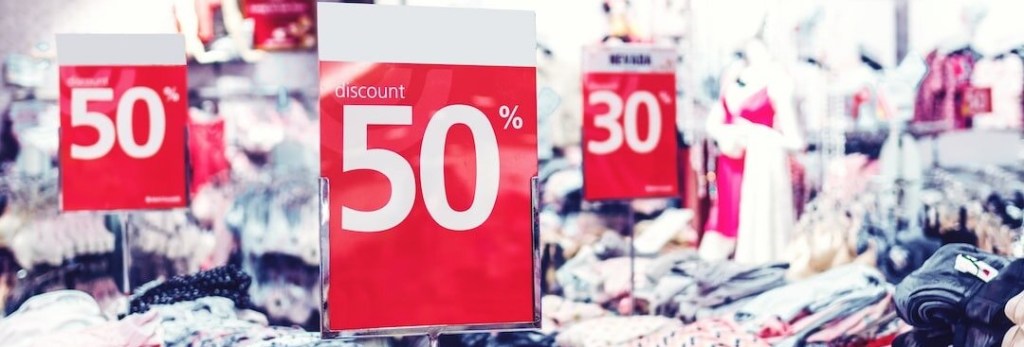
Overproduction is closely tied to fast fashion and the “throwaway culture,” where consumers purchase cheap, disposable clothing. Fast fashion brands overproduce clothing to meet consumer demand for constant discounts and sales. This mentality encourages overconsumption and contributes to a cycle of buying and discarding, which is unsustainable and further fuelling overproduction.
Counterfeit and knockoff production
Overproduction has created an environment ripe for counterfeit and knockoff production. The abundance of cheap clothing has led to a surge in counterfeit items, which not only damages brand reputation but also fuels illicit and exploitative manufacturing practices.
Unsold inventory destruction
To maintain brand image and exclusivity, many high-end fashion brands destroy unsold inventory rather than allowing it to be sold at a lower price or donated (wastes resources and hides the scale of excess production from the public eye).
Transition to a sustainable fashion industry
Why tackling overproduction is crucial for sustainability in the fashion industry?
It conserves resources, reduces waste, mitigates environmental impacts, supports ethical labour practices, promotes responsible consumer behaviour, and contributes to the long-term economic health of the industry. By addressing overproduction, the fashion industry can take significant steps towards a more sustainable and responsible future.
Fortunately, we can observe efforts are being made within the fashion industry to address these issues through sustainable practices, recycling, more eco-friendly materials, circular economy practices, and increased awareness of these issues among consumers.
On-demand production
Producing smaller quantities of clothing based on actual demand, thereby minimising excess inventory.
Limited edition
Creating capsule collections, intentionally small, focusing on quality over quantity, can create a sense of exclusivity that appeals to consumers.
Seasonless fashion
Moving away from the traditional seasonal fashion calendar and opting for seasonless or “see now, buy now” approaches. The production is more closely with consumers reducing the need for excessive forward planning and overproduction.
Circular fashion
Circular economy initiatives: embracing concepts, such as recycling and upcycling programs, which extend the life of clothing and reduce the need for new production.
Slow fashion
Promoting the idea of “slow fashion,” which encourages consumers to buy fewer, high-quality items that are built to last. Brands can incentivize this behaviour by offering repair and maintenance services for their products.
Collaboration
Collaborating with each other and industry organisations to develop common sustainability and transparency standards. Initiatives like the Sustainable Apparel Coalition and the Fashion Revolution campaign are good examples of collective efforts.
Conscious consumer – responsible consumption
Educating consumers about the impact of overproduction and the importance of making sustainable choices: raising awareness about responsible consumption.
Transparency
Brands should set and publicly report on sustainability goals and metrics. Regular reporting on progress can help maintain transparency and accountability.
The 2023 FashionTransparency Index found that just 12% of brands disclose the number of products made annually.
But brands know how much they are producing – what business can survive without this information?
The continued lack of transparency begs the question, what’s being hidden?
“We need circular industries where old looks are made new. Less packaging, more reuse. Threads that last.”
How is it possible to transition to a sustainable fashion industry without tackling the issue of overproduction?
Despite this fashion brands continue to keep this vital data point hidden yet it impacts every step of the supply chain. The 2023 Fashion Transparency Index found that just 12% of brands disclose the number of products made annually.
But brands absolutely know how much they are producing; what business can survive without this information? The continued lack of transparency begs the question, what’s being hidden?
Why tackling overproduction is crucial for sustainability in the fashion industry? It conserves resources, reduces waste, mitigates environmental impacts, supports ethical labour practices, promotes responsible consumer behaviour, and contributes to the long-term economic health of the industry. By addressing overproduction, the fashion industry can take significant steps towards a more sustainable and responsible future.
Help The Or Foundationhttps:

Demand transparency and accountability now:

 my59
my59 
Leave a comment